
- Glucose Fasting: Monitoring fasting blood sugar levels is crucial for early detection and management of diabetes, ensuring optimal metabolic health.
- Creatinine:Assessing creatinine levels aids in evaluating kidney function and detecting potential kidney disorders.
- SGPT: Also known as Alanine Aminotransferase (ALT), SGPT levels help assess liver health and detect liver damage or disease.
- SGOT: Aspartate Aminotransferase (AST) levels, measured through SGOT, provide additional insights into liver and muscle health.
- ALP: Alkaline Phosphatase levels offer valuable information about bone health and liver function, aiding in the diagnosis of various conditions.
- Lipid Profile: Comprehensive assessment of cholesterol levels, including HDL, LDL, and triglycerides, helps identify cardiovascular risk factors and guide preventive measures.
- Calcium: Monitoring blood calcium levels is essential for bone health, muscle function, and nerve signaling.
- Uric Acid: Elevated uric acid levels can indicate conditions like gout or kidney stones, necessitating further evaluation and management.
- Complete Blood Count (CBC): CBC provides insights into overall health by assessing various blood components, including red and white blood cells and platelets.
- ESR (Erythrocyte Sedimentation Rate): ESR is a nonspecific marker of inflammation, infection, or autoimmune disorders, aiding in disease diagnosis and monitoring.
- RA Factor Test: Rheumatoid Arthritis (RA) factor testing helps diagnose autoimmune conditions such as rheumatoid arthritis and guides appropriate management.
- Urine Routine: Urinalysis offers insights into kidney function, hydration status, and potential urinary tract infections, enabling early intervention.
- Stool Routine: Stool analysis helps detect gastrointestinal conditions such as infections, inflammation, or blood in the stool.
- Thyroid Stimulating Hormone (TSH): TSH levels assess thyroid function, helping diagnose thyroid disorders such as hypothyroidism or hyperthyroidism.
- Electrocardiogram (ECG): ECG records heart activity and helps identify cardiac abnormalities or irregularities.
- Chest X-ray: Chest X-ray provides valuable insights into lung and heart health, aiding in the diagnosis of respiratory conditions or cardiac abnormalities.
- Ultrasound (USG) Abdomen/Pelvic: Abdominal and pelvic ultrasound imaging helps visualize internal organs and detect abnormalities or pathologies.
- General Physician Consultation: Receive personalized guidance and recommendations from our experienced physicians based on your test results and health concerns.
NRS 10499
NPR 14765
Book Now
Package Details
Package Description
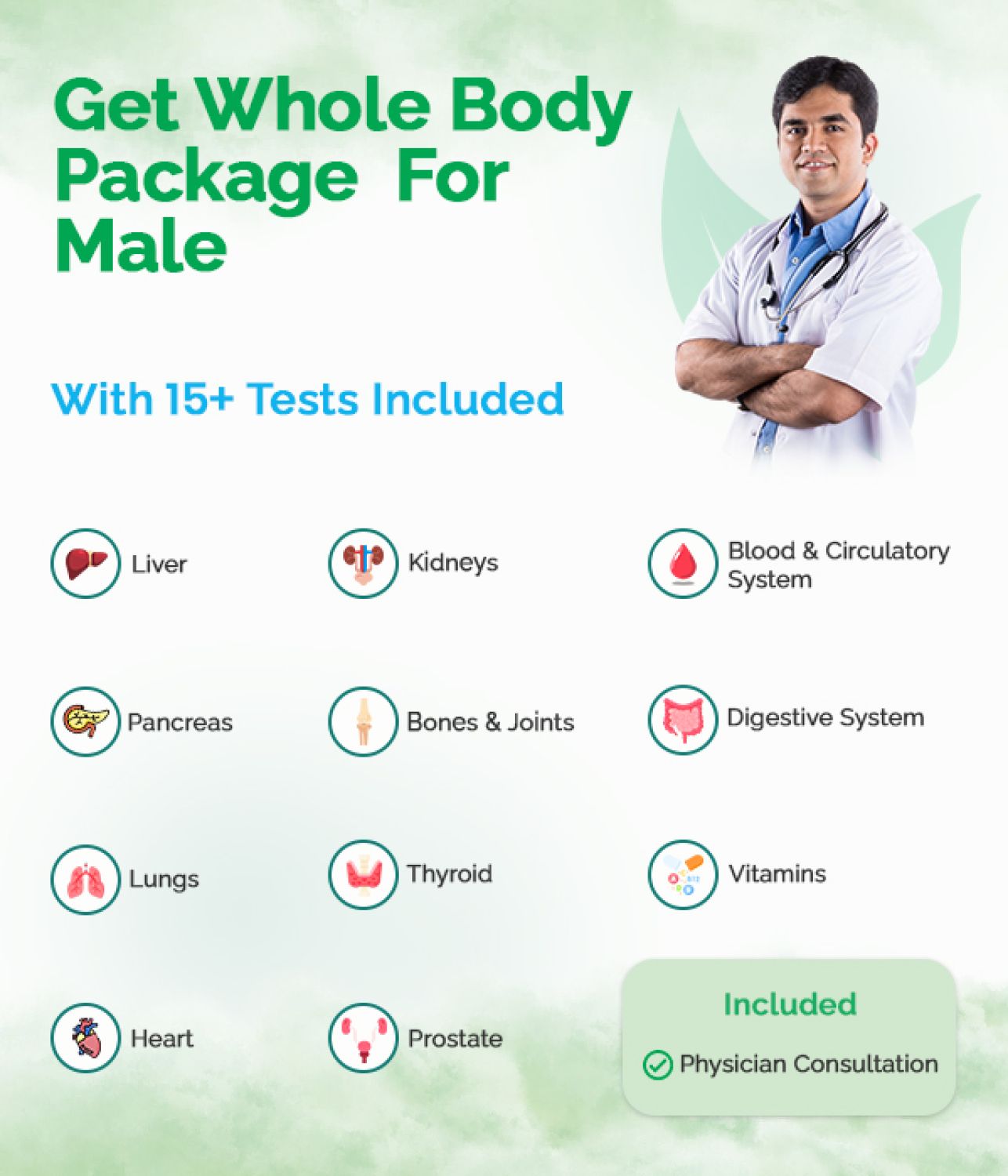
Embark on a journey towards holistic health and well-being with our Whole Body Package tailored specifically for men, priced at an affordable Rs. 10,499/- (MRP: Rs. 14,765/-). At Alfa Care Diagnostic Center, we believe in empowering individuals to take charge of their health by offering comprehensive testing solutions designed to provide a thorough assessment of overall health status.
Package Benefits
- Comprehensive Assessment: Our package offers a comprehensive evaluation of key health parameters, covering various organ systems and functions to provide a holistic view of your health status.
- Early Detection and Prevention: By identifying potential health issues early, you can take proactive steps towards prevention, ensuring timely intervention and improved health outcomes.
- Convenience and Affordability: With all-inclusive testing and consultation services at an affordable price of Rs. 10,499/- (MRP: Rs. 14,765/-), our package offers unparalleled value and convenience, allowing you to prioritize your health without financial strain.
- Expert Guidance and Support: Our dedicated team of healthcare professionals is committed to providing personalized care and support throughout your health journey, ensuring you receive the attention and guidance you deserve.